Seeking bold proposals from Stanford faculty of any research or clinical backgrounds with the potential to generate paradigm-shifting insights into healthy brain aging and resilience against cognitive decline, and neurodegenerative disorders.
SCI offers Innovation Awards to support collaborative projects focused on acceleration of basic, translational, clinical and population-based cancer research, and projects focused on cancer care, such as pancreatic, breast and gynecologic cancers.
The School of Medicine Kl2 Mentored Career Development Program is a two-year research program funded by the National Institutes of Health (NIH) and the Stanford Clinical Translational Science Award (CTSA) Program.
c-ShARP welcomes collaborative proposals for instrument acquisitions, programs, or other enhancements to Shared Research Platforms and Shared Facilities. Faculty & staff are welcome to apply for FY25 funding.
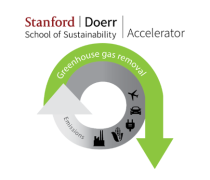
The sustainability accelerator aims to co-create and scale solutions for climate and sustainability challenges globally. This request for proposals is for solutions for greenhouse gas removal from the atmosphere.
Stanford University’s Innovative Medicines Accelerator (IMA) is accepting proposals that address two major challenges in drug development: identifying drug candidates and optimization towards clinical leads.
SCI offers Innovation Awards to support collaborative projects focused on acceleration of basic, translational, clinical and population-based cancer research, and projects focused on cancer care, such as pancreatic, breast and gynecologic cancers.